Narmadeshwar vs Parad vs Sphatik Shivling
Updated
Written by the SHIVYA artisan family in Bakawan, on the banks of the Narmada
Quick answer
A Narmadeshwar Shivling is made of Narmada river stone and is traditionally worshipped without prana-pratishtha. A Parad Shivling is made of a solidified mercury alloy, a Sphatik Shivling of clear quartz crystal, and marble or metal Shivlings are carved or cast; these are usually consecrated before worship. For daily abhishek at home, the Narmadeshwar Shivling is the most common choice.
- Narmadeshwar: Narmada river stone, regarded as swayambhu
- Parad: solidified mercury alloy
- Sphatik: clear quartz crystal
- Marble and metal: carved or cast by artisans
Devotees choose between several kinds of Shivling, and each has its own material, tradition and care. Here is how they compare, so you can pick the right one for your home or temple.
At a glance
Traditions differ between families and regions, so follow your own priest's advice where it differs.
| Type | Material | Prana-pratishtha | Often chosen for | Care |
|---|---|---|---|---|
| Narmadeshwar (Banalinga) | Narmada river stone | Not needed (swayambhu) | Daily abhishek at home and in temples | Rinse with water, wipe dry |
| Parad | Solidified mercury alloy | Traditionally performed | Special worship and puja rooms | Handle with care, keep away from heat |
| Sphatik | Clear quartz crystal | Traditionally performed | Meditation and small altars | Wipe gently, avoid knocks |
| Marble or carved stone | Marble or other stone, carved | Traditionally performed | Temples and large altars | Wash and dry, avoid acids |
| Brass or metal | Cast metal | Traditionally performed | Travel and small altars | Polish occasionally |
Narmadeshwar Shivling
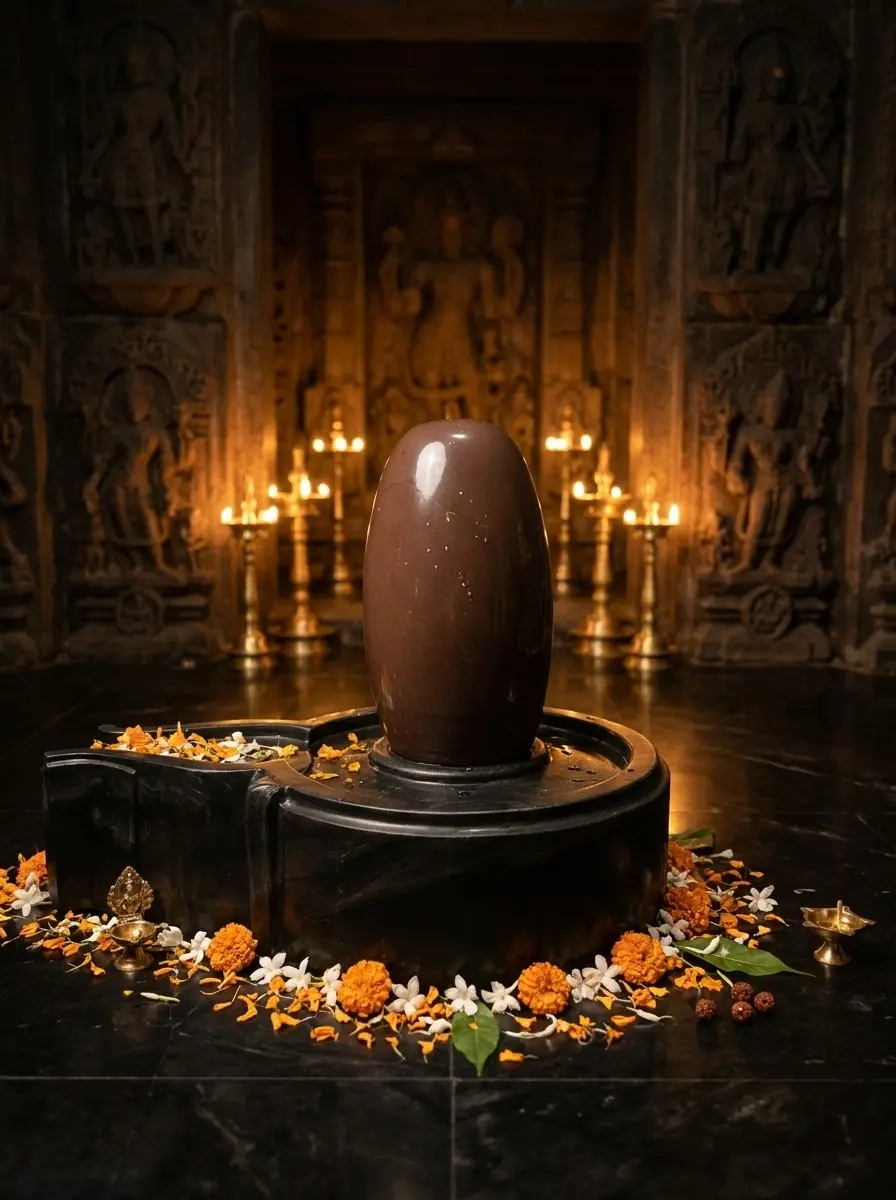
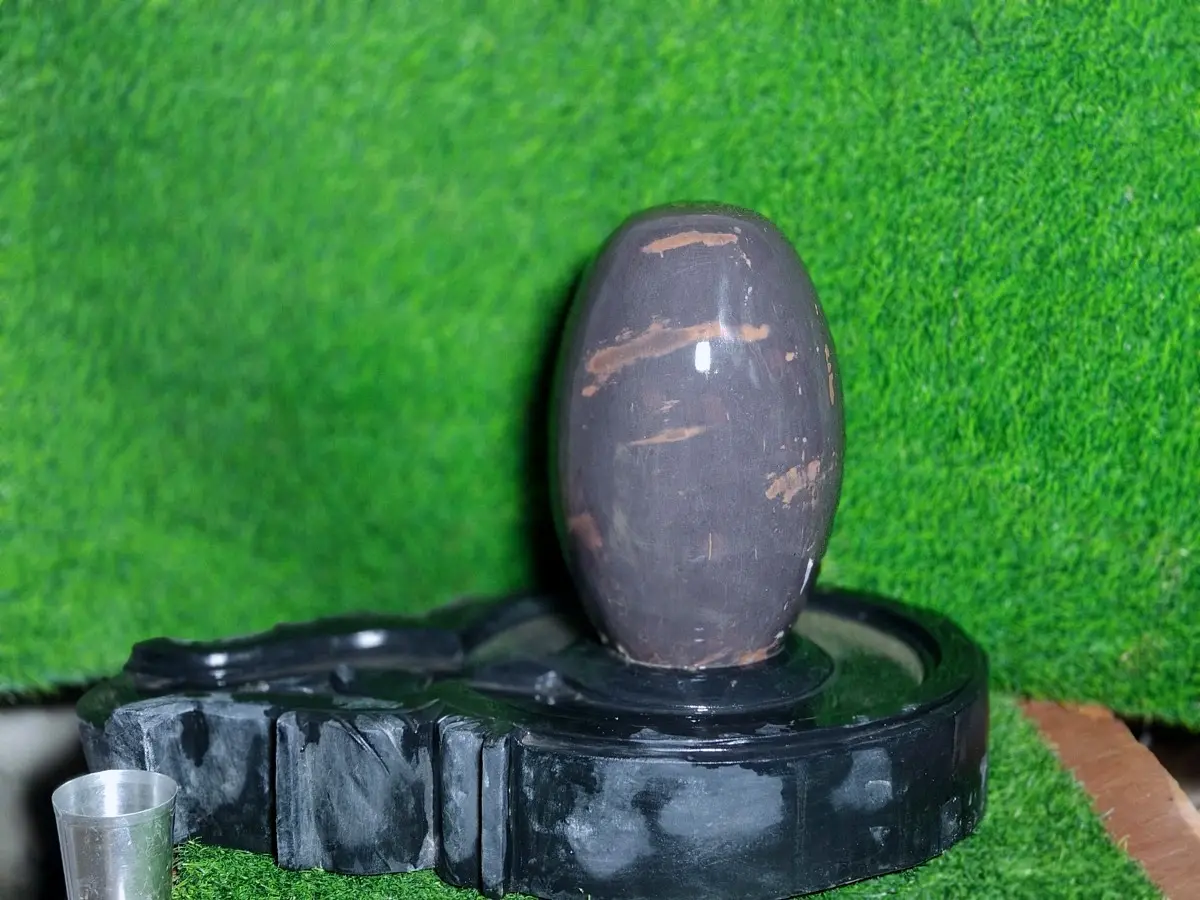
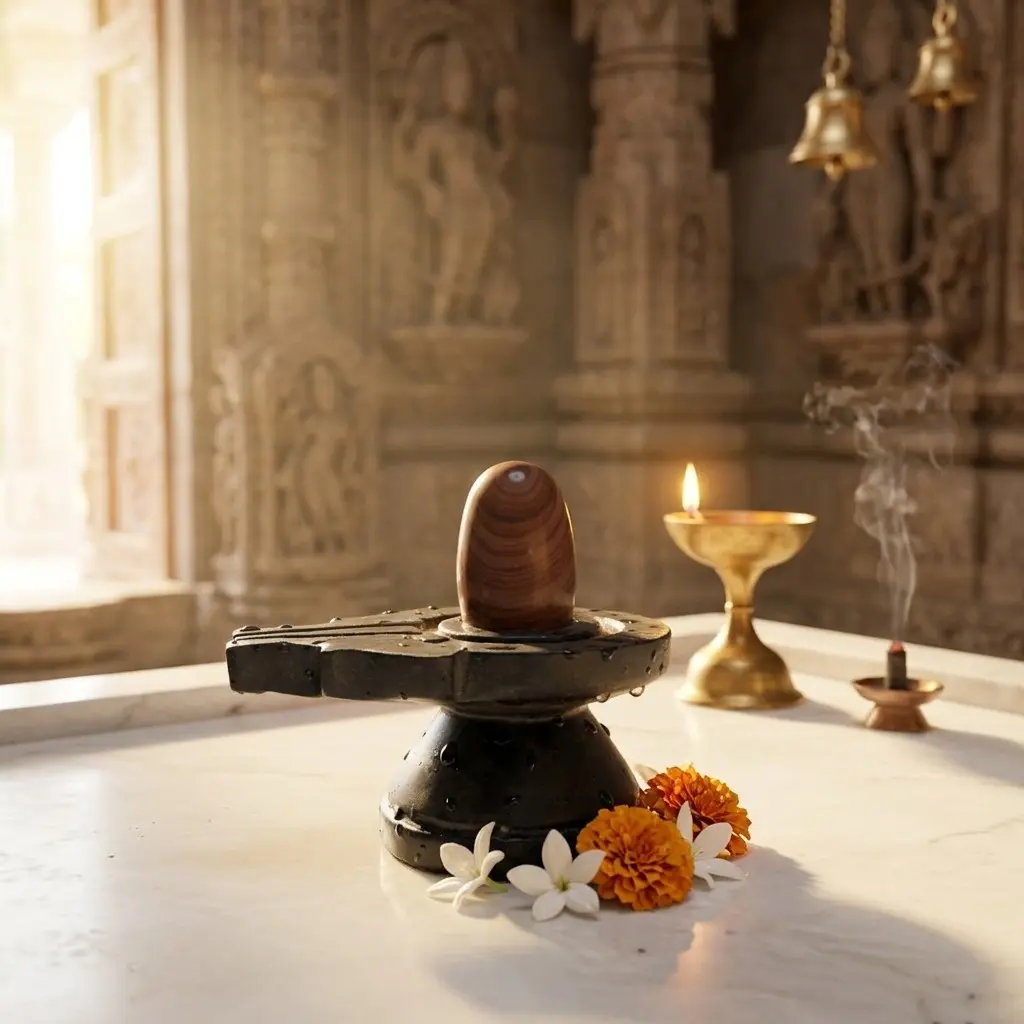
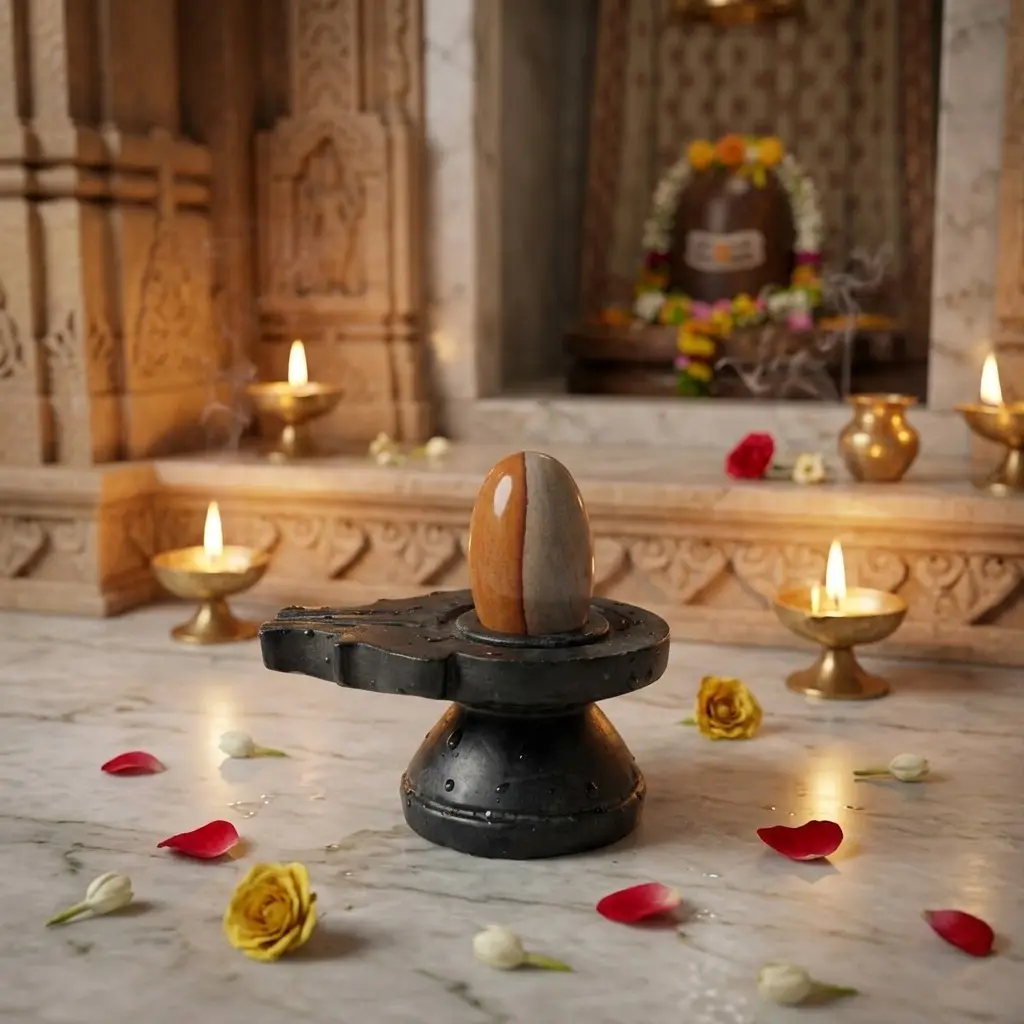
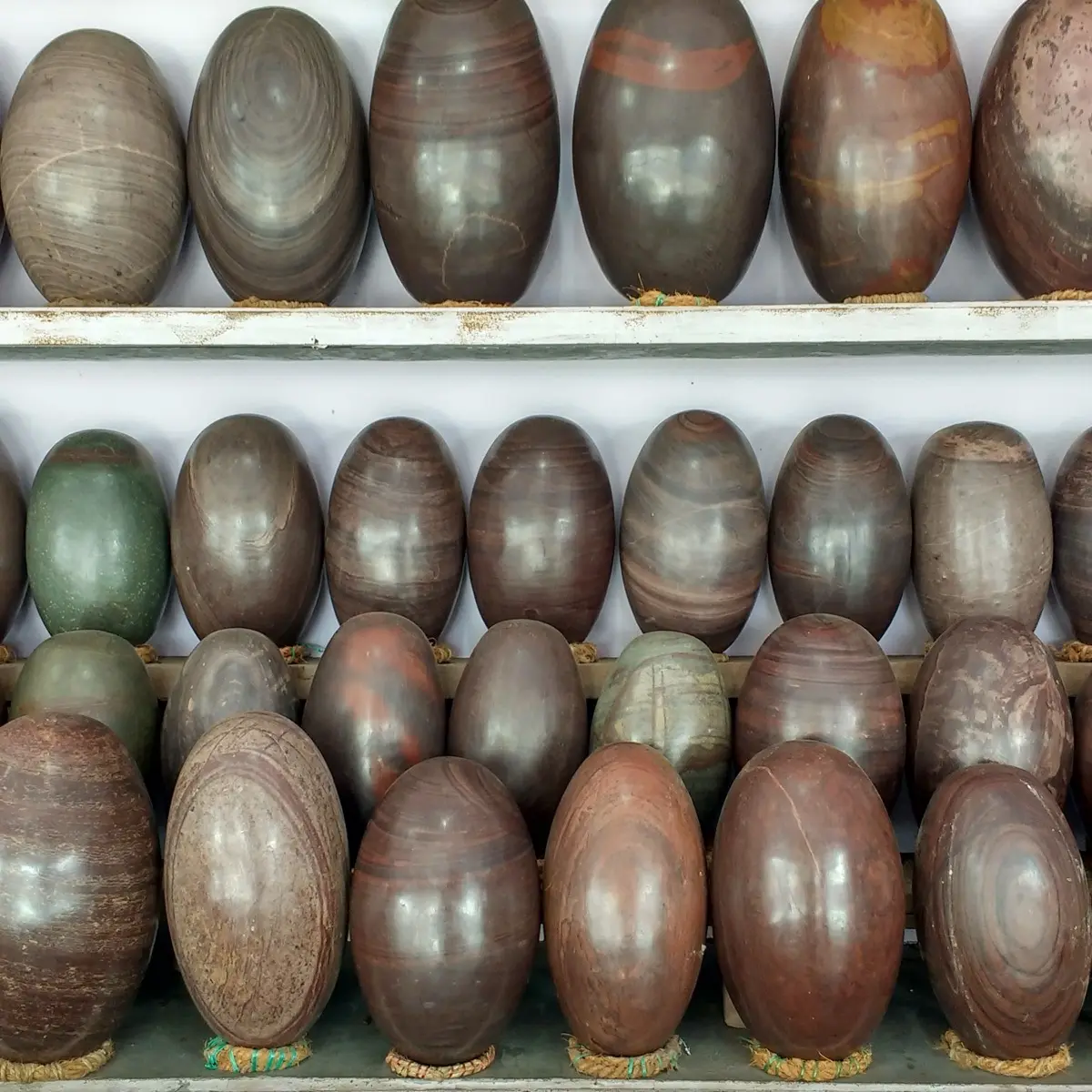
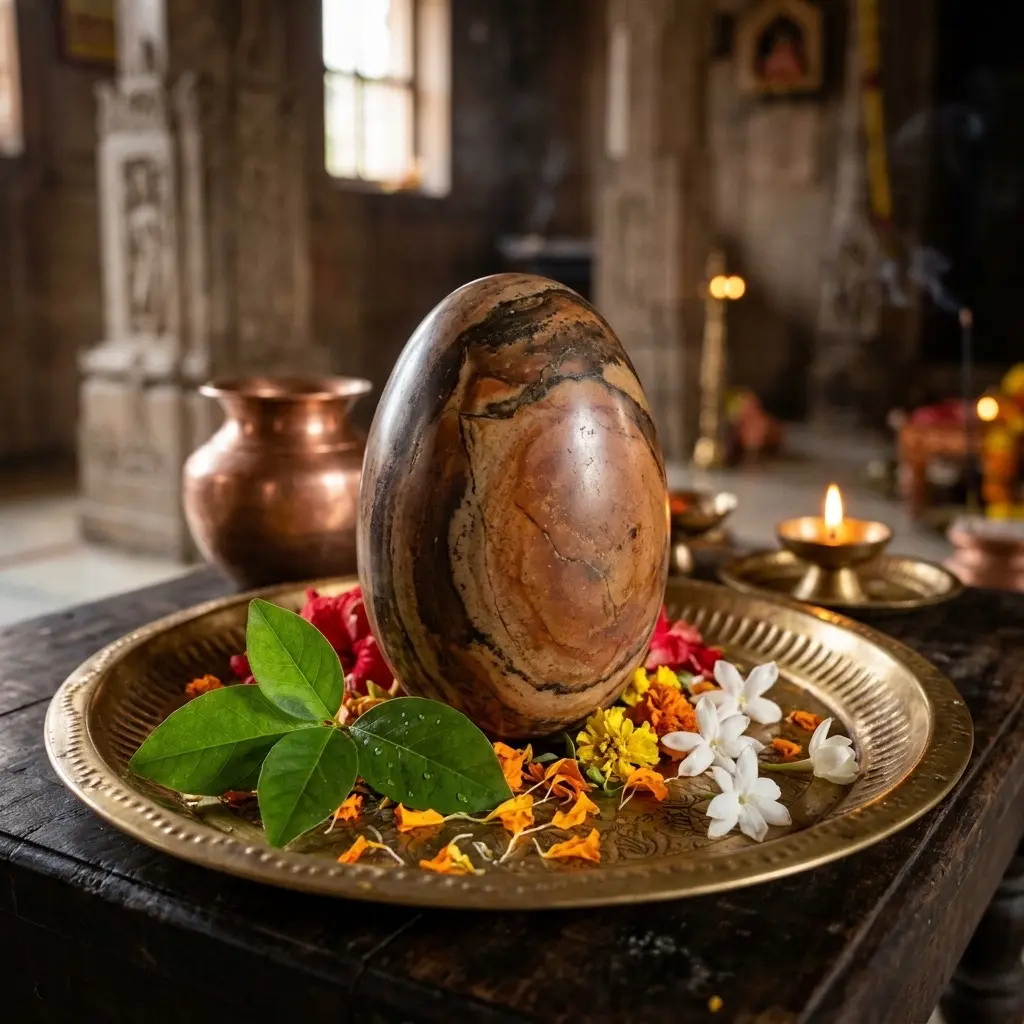
Made from stone of the holy Narmada river, which tradition says is so sacred that every pebble is Shankar. Because of this it is regarded as swayambhu and worshipped without prana-pratishtha. It is durable, easy to bathe daily and is the most widely worshipped Shivling in Indian homes.
Parad Shivling
Made from mercury solidified with other metals into a heavy, silvery Shivling. It is valued in some traditions for special worship. Keep it away from heat and handle it with care.
Sphatik Shivling
Carved from clear quartz crystal. Its transparency makes it popular for meditation and small altars. Crystal can chip, so it needs gentle handling.
Which is best for home?
For a home mandir with daily abhishek, most families choose a 2 to 4 inch Narmadeshwar Shivling on a jalhari: it needs no consecration, is sturdy, and suits water and milk abhishek every day. Choose a Parad or Sphatik Shivling if your family tradition or priest recommends it.
Looking for an original Narmadeshwar Shivling? See every Narmadeshwar Shivling size and tap "Get Price on WhatsApp", or message us and we'll help you choose the right piece.